Showing posts sorted by relevance for query shaman. Sort by date Show all posts

07/03/2020

Ishigami Stone Deity 2

[ . BACK to DARUMA MUSEUM TOP . ]
. Shinto Shrines (jinja 神社) - Introduction .
. kami 神 Shinto deities .
:::::::::::::::::::::::::::::::::::::::::::::::::::::::::::::::::::::::::::::::::::::::::::::::::::::::::::::::::::::::::::::::::::::::::::::::::::::::::::::::::::::::::::::::::::::

Ishigami 石神 Stone Deity
石の神 Ishi no Kami


手力男命 / 天之手力男神 / 天手力男神 Ame no Tajikara Onokami, Amenotajikara O no Kami
天手力男神 Amenotadikaraonokami / Ame-no-tajikarao


Jinseki 石神 a place name in Hiroshima

..............................................................................................................................................


. Iwagami 岩神 "rock deity" .
Often a special rock or boulder venerated by the villagers.

. Shibagami 柴神 / シバガミ Shibagami / 柴取り神 Shibatorigami .
and トンビョウ神 Tonbyogami

. magaibutsu 磨崖仏散歩 Stone Cliff Buddhas .

..............................................................................................................................................

Isonokami, iso no kami 石上 (ishi no ue) 石上サン on a stone

- quote -

homepage of isonokami.jp

. Isonokami Jingu 石上神宮 .


:::::::::::::::::::::::::::::::::::::::::::::::::::::::::::::::::::::::::::::::::::::::::::::::::::::::::::::::::::::::::::::::::::::::::::::::::::::::::::::::::::::::::::::::::::::

- - - - - Various shrines with the name Ishigami Jinja 石神神社 / 石神社 - - - - -


- quote -
The "Ishigami-san" (Stone God) on the grounds of 神明神社 Shinmei Jinja Shrine
is worshipped by the women divers since the old days as a god who "grants at least one wish of a woman".
In the present day, many women from all parts of Japan come to worship here.
All you have to do is to write just one wish on the "Wish Paper", and post the Wish Paper in the wish box in front of "Ishigami-san", then pray.
A rather unique good luck charm, which has the embroidery of a star and grills, is also popular.
Because a star could be drawn in one stroke, the women divers believed "they could return where they started after the dive".
Also, the grills implied that "there is no open space from where a demon could enter".
- source : kankomie.or.jp/en/spot... -


.......................................................................


source : pmiyazaki.com/takachiho/isigami...

高千穂の石神神社 (いしがみじんじゃ)in Takachiho
Deity in Residence is 牛神大明神 Ushigami Daimyojin
. ushigami 牛神 Kami of cattle .
= Ta no Kami, Ta-no-Kami 田の神 Tanokami, God of the Fields

..............................................................................................................................................


. Onishi Jinja 鬼石神社 Onishi Shrine .
Onishi 鬼石町(おにしまち) was a town located in Tano District, Gunma Prefecture.
The region produced many stones 石の産地.
The protector deity of stones was called 鬼石明神 Onishi Myojin and is known at least since 1703.

oni ishi 鬼石 lit. Demon Stone

- Reference : kojiki.kokugakuin...

:::::::::::::::::::::::::::::::::::::::::::::::::::::::::::::::::::::::::::::::::::::::::::::::::::::::::::::::::::::::::::::::::::::::::::::::::::::::::::::::::::::::::::::::::::::

. shingun 神軍 / jingun ジングン heavenly army phenomenon .
Stones like arrowheads falling from the sky.

. Shrine, Shinto Shrine (jinja 神社) - Introduction .

. kami 神 Shinto deities - ABC-LIST - .

:::::::::::::::::::::::::::::::::::::::::::::::::::::::::::::::::::::::::::::::::::::::::::::::::::::::::::::::::::::::::::::::::::::::::::::::::::::::::::::::::::::::::::::::::::::


- - - - -  H A I K U  - - - - -

蝶の類枯れ石神に日燦爛
木村蕪城


化石神やまなみねがえりをうつか
田畑耕作


:::::::::::::::::::::::::::::::::::::::::::::::::::::::::::::::::::::::::::::::::::::::::::::::::::::::::::::::::::::::::::::::::::::::::::::::::::::::::::::::::::::::::::::::::::::


- - - Ishigami 石神 often refers to an unusual stone formation, venerated as a deity.

reference : 蒲生郡安土町老蘇式内奥石神社『神社本紀』

青森県黒石市牡丹平大山祇神社 砲弾鬼石神
大山祇神社(おおやまづみじんじゃ)Oyamazumi Jinja

..............................................................................................................................................

Hakoishi Jinja 箱石神社
in 宮城県 Miyagi 石巻市 Ishinomaki city

. ryuu, ryū 龍 竜 伝説 Ryu - dragon legends .
A ujigami 氏神 clan deity of the ashigaru 足軽 soldiers of the Sendai domain, who lived in 成田町 the Narita town, along 北上川 the river Kitakamigawa.
When 坂上宿禰高道 Sakanoue Sukune passed here in 863 to fight the Emishi, he found his death here.
His soul turned into a dragon and caused great flooding. To appease his soul, the shrine was erected.

. ashigaru 足軽 "light legs", common foot soldier .

. Sakanoue no Tamuramaro 坂上田村麻呂 (758 - 811) .

.......................................................................

Retsuishi Jinja 裂石神社 "split stone" Shrine
in Yamanashi 山梨県, Enzan city - 岩盤から湯が湧出
The saddle of the deity riding to Retsuishi Shrine became a stone.

At the temple 裂石山 雲峰寺 Retsuishizan Unpo-Ji
source : rubese.net/gurucomi...

.......................................................................

Tateiwa Jinja 立石神社 (たていわじんじゃ) "standing stone" in various places / 立石稲荷
- photos -


.......................................................................

. ubusuna ishi うぶすな石 stone for the Deity of Birth .


:::::::::::::::::::::::::::::::::::::::::::::::::::::::::::::::::::::::::::::::::::::::::::::::::::::::::::::::::::::::::::::::::::::::::::::::::::::::::::::::::::::::::::::::::::::


. Legends and Tales from Japan 伝説 - Introduction .

// 石の神
There is 自然石の神 a natural stone deity called 松倉様 Matsukura sama.
They say if flew here in one night.

source : www43.tok2.com/home/hikeaomori...
Matsukura Jinja 松倉神社
Aomori, 五所川原市前田野目

..............................................................................................................................................


....................................................................... Akita 秋田県 .....
.......................................................................
秋田市 Akita city 金足 Kanaashi

Ishigami Sama 石神様
At 鳰崎 Niozaki there are two hokora 祠 small Shrines, one dedicated to 石神様 Ishigami Sama and one to 白山様 Hakusan Sama.
At the Hakusan Shrine, amagoi 雨乞い rain rituals are performed. If they do not bring any result, the next rain ritual is performed at the Shrine for Ishigami Sama.
. amagoi 雨乞いと伝説 Legends about rain rituals / Regenzauber .


....................................................................... Aomori 青森県 .....
.......................................................................
大石神社 Shrine Oishi Jinja

Gomiso ゴミソ a Shaman like the Itako
Around 1920, 工藤むら Kudo Mura was worried about the health of his daughter さだ Sada. He consulted a local Gomiso Shaman, who told him she should to go to 赤倉山 Mount Akakurayama.
For three years and three months, she went to venerate the ウブスナさま Ubusuna-Sama in the village of 鼻和村 Hanawa. At the end of this time, 成田の不動様 the great Fudo of Narita showed his form. The following year from the New Year on she went to Akakura and the shrine 大石神社 Oishi Jinja for three days of prayer and eventually became a Gomiso Shaman.
The Shrine 赤倉山神社 Akakurayama Jinja is located at Higashiiwakisan-1-39 Hyakuzawa, Hirosaki.


....................................................................... Ehime 愛媛県 .....
.......................................................................
今治郡 Imabari district // 石神サン

There is kyoseki 巨石 a huge stone megalith and if people touch it, their stomach will begin to ache.

There are various large stones in Imabari.


伯方島 宝股山 石神
石清水八幡神社 磐座
伯方島 喜多浦八幡神社の亀石
手水鉢の石
- reference and more photos : shamon/kyoseki/ehime/imabari... -

.......................................................................
Ehime 西条市 Saijo city 千町 Sencho town // 石の神体

osainoki san, o-sai no ki san おさいのきさん honorable tree at the border
This type of tree is located ath the borders of a village.
One is at 旧加茂村内部落 Kamo village Murauchi hamlet at the pond 御代池 / 御代ヶ池(みよがいけ) Myogaike, where ia rock is venerated as Kami.
At its side are many zoori 草履 straw sandals.
It is venerated as tagori no kami タゴリの神 (tagori means coughing).
If prayers have helped to cure, people offer straw sandals.

. Sekigamisama 咳神様 Deity of coughing .


....................................................................... Gunma 群馬県 .....


群馬県利根郡片品村花咲
source : webgunma.com/189...

hanasaki ishi 花咲石 - ハナサキイシ Hanasaki Stone
Yamato Takeru was on his way to Northern Japan to fight 悪勢(おぜ)Oze, a bad grouop of people.
In the mountains lived majin 魔神 a bad deit (Oze), which did not follow the orders of the Imperial Court but brought trouble to the villagers.
This bad deity was overpowered and burned. His daughter was a pure girl, but the soldiers of Takeru captured and killed her. Her maid servant cried herself to death and her soul became a stone. The stone was called Hanasaki "Stone of flowering blossoms".
The stone is now a historical landmark in 片品村 Katashina village.
Another version of the legend tells of the wife of Oze, which had hidden in a cave. The enemy set fire to the cave and she died in the flames. Her dead body begun to grow into a large stone, with the pattern of rainbow-colored botan 牡丹 peony blossoms.
After her death, the villagers begun to get ill and have misfortunes, so they built a red torii 鳥居 Shrine gate and venerated the place as
牡丹石明神.
This part of Katashina village is called 花咲 Hanasaki Hamlet.

. Yamato Takeru 日本武尊 .

. majin 魔神 - akushin, akujin 悪神 devil, Teufel .


....................................................................... Hiroshima 広島県 .....
.......................................................................
神石郡 Jinseki district 神石高原町 Kogencho town // 石神さん

A 伊勢参りの旅人 pilgrim to the Ise Shrine forgot a package on iwa 岩 a rock, but the villagers found it. First they wanted to throw it away but the next day they put it back in the rock. This went on for a few days and eventually they opened it.
Inside were tamagushi 玉串 branch offerings. The villagers placed them on the rock and venerated them as shintai 神体 the Body of Kami.
Later a stone mason wanted to split the rock, but red blood came out of it.
The stone had originally been the size of a bed, but now it begun to grow more and more into the sky.

. tamagushi 玉串 offering of a sacred Sakaki branch .

. shintai 神体 "body of the deity" .

.......................................................................
Hiroshima 庄原市 Shobara city 東城町 Tojo town

. Ishigami san 石神さん The Venerable Stone Deity .


....................................................................... Hyogo 兵庫県 .....
.......................................................................
明石市 Akashi city // 明石の神 Kami from Akashi

. Kakinomoto Jinja 柿本神社 Shinto Shrine in Akashi, Hyogo .
moojoozakura 盲杖櫻 / 盲杖桜 "Blind Stick Cherry".
A blind person from 筑紫 Tsukushi no Kuni province come here and repeated the prayer for a certain time:
ほのゞとまこと明石の神ならば 我にも見せよ人丸の塚
When he could see again, he placed his blind stick here and it grew into a cherry tree.


.......................................................................
Hyogo 神戸市 Kobe city まや山天上寺 Mayasan Tenjo-Ji

yakusui shinkoo 薬水信仰 belief in healing water
At the temple Tenjo-Ji there is a special stone monument with a hole on the top, where the water collects.
In former times this was attributed to 石神 Ishigami or 石仏地蔵碑 a stone statue of Jizo Bosatsu.
The water would heal eye diseases.

. Maya san Tenjooji 摩耶山天上寺 Tenjo-Ji .


....................................................................... Iwate 岩手県 .....
.......................................................................
八幡平市 Hachimandaira city

Shizukuishi Jinja 滴石神社

At this Shrine there is a mysterious stone with an opening like a bottle to pour a drink. On its top it makes a sound like シズクイシ "shizuku ishi", on the bottom it makes a dripping sound like tantan タンタン. Many people come here to take a look. The local headman who had to guide the visitors became weary of the job and split the top of the spring stone. As a curse his family became very poor, but the story was told from grandfather to grandchild.


....................................................................... Kagawa 香川県 .....
.......................................................................
さぬき市 Sanuki city // 田石の神様 Taishi no Kamisama

. tanuki 狸 - mujina 狢 - racoon dog, badger legends .
The neighbour of 広瀬 Hirose san once said "I am going to pray at 田石の神様 Taishi no Kamisama sanctuary. When he wanted to go back, it was already quite dark. Suddenly 白い狸 a white tanuki appeared in front of him. This Tanuki, quite a Yokai monster, was called Ashimagari 足まがり Ashi-Magari, trying to prevent him from going straight .
But he kicked the animal with one leg, so it disappeared.
It took him more than 12 hours to get home.


....................................................................... Kanagawa 神奈川県 .....
.......................................................................
鎌倉市 Kamakura city

At the Shrine 石神神社 Ishigami Jinja (In the compound of Goryo Jinja) there is an annual ritual on the 25th of July to appease the local 河童 Kappa. Young men with bowls of offerings swim as far as the point from where the island of Enoshima can be seen, then they throw the offerings into the sea. This will prevent the Kappa from doing harm to the swimmers on the famous beach.
. Kappa Legends from Kanagawa 神奈川 .


....................................................................... Kochi 高知県 .....
.......................................................................
幡多郡 Hata district 西土佐村 Nishi-Tosa village // 石神さん

. kannazuki 神無月 month where the Kami are absent .
kami no rusu 神の留守 the gods are absent
This is the 10th lunar month, when the Kami father at 出雲 Izumo.
During that time Izumo no matsu 出雲の松 the pine of Izumo begins to bend.
Konpira san 金毘羅さん and 石神さん Ishigami san do not go.

. matsu 松と伝説 Legends about the pine tree / 松の木 matsu no ki .


....................................................................... Kyoto 京都府 .....
.......................................................................
上京区 Kamigyo ward

iwagami 石神 / イワガミ Iwagami Deity
The rock at 下の石神 Shimo no Iwagami has been pulled here by 高松殿 the lord of Takamatsu. There had been a strange light every night at the top, so the wet nurse of the lord was awarded to become priestess at the temple / shrine to venerate and appease Ishigami 石神寺 / 石神社.
The Shrine is also known as 岩神神社 Iwagami Jinja, 「岩神祠(いわがみし/いわがみ の ほこら)」 Iwagami no Hokora, 、「岩神さん」 Iwagami san or 「岩上神社」 Iwagami Jinja.

Iwagami Shrine (岩上神社) - Daikokucho, Kamigyo Ward, Kyoto
- quote -
It Shrine is very small. When I first visited the place, I almost overlooked it, because the shrine consists of only one water basin and one main building. The size of the shrine is about 10 square meters of land. However, it has obviously been enshrined importantly by local people for a long time.
This shrine’s object of worship is this rock.
There is an interesting story related to this rock. In ancient times, this rock used to be placed at Nijo Horikawa. However, people in those days decided to relocate the rock to different places, and they did so several times. The rock was actually really upset about it, and some people heard the sound of crying from the rock at night. What is more, soon after the relocations, many unfortunate accidents happened in Kyoto over and over again. People of that time were terrified and started to believe that these accidents were results of the rock’s wrath. Consequently, people decided to establish a shrine to appease the wrath of the rock, and they restored the peace in the city. Today, we can still see the rock enshrined at Iwagami Shrine. - source and more photos : urarachan.wordpress.com/... -


....................................................................... Mie 三重県 .....
.......................................................................
河藝郡 Kawage district 栗眞村 Kurima village // 石神

A woman in the village became ill. An oracle told her, it was because the family had burned down the little forest around the local Shrine for 石神 Ishigami. Since then the family begun to pray at the Shrine and never cut a tree from there again.


....................................................................... Miyazaki 宮崎県 .....
.......................................................................
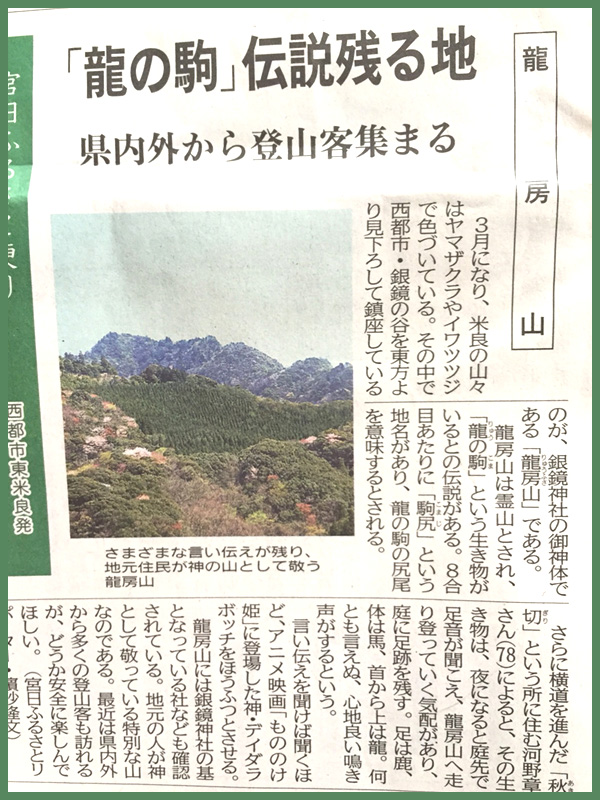
西都市 Saito city 銀鏡 Shiromi // 石神

tatsu no koma 龍の駒 horse of a dragon
On the Westernn slope of 龍房山 Mount Ryubusuyama there is a hamlet called 秋切集落 Akkiri.
There is 石神 a stone deity named Ryu no Tama 龍之玉. In the nearby river the tatsu no koma 龍の駒 horse of the deity comes do drink.


銀鏡(しらみ)神社 Shirami Jinja / 銀鏡神社(しろみ神社) Shiromi Shrine
- reference source : pmiyazaki.com/siromi_j... -


....................................................................... Okinawa 沖縄県 .....
.......................................................................
マユイシノカミは前石の神 mayuishi no kami

.......................................................................
モンイシノカミ mon ishi no kami
門の石の神 stone deity of the gate

.......................................................................
パライシノカミ para ishi no kami
パライシノカミ(腹石 hara no ishi) は柱石の神である。

.......................................................................
シティイシノカミshitii ishi no kami
シティイシノカミは墓の下部の石の神である。

.......................................................................
ウヤイシノカミ waya ishi no kami
ウヤイシノカミは親石、または上石の神である。


....................................................................... Osaka 大阪府 .....
.......................................................................
天王寺区 Tennoji ward

During the construction of 四天王寺 Shitenno-Ji temple, ox carts were used to transport the stones. When the construction was finished, one bull turned into a stone.
He is now venerated at 石神の祠 a small Ishigami Shrine, Ishigami Do 石神堂.

. Temple Shitenno-Ji 四天王寺 .


....................................................................... Saga 佐賀県 .....
.......................................................................
東松浦郡 Higashi-Matsuura district 鎮西町 Chinzei town // 石の神

ochosusama, o-chosu sama おちょす様 Deity to protect children
At the roadside is a stone deity named O-Chosu Sama, venerated in a small shrine with a thatched roof.
On the 20th day of the New Year there is 的射り a ritual of children shooting at a target. The small shrine was once relocated to 十二社宮 the place for 12 Shrines, but a priest said this was not good, so it was brought back to its old place.
In former times, children had used bamboo sticks to pick the stone, but a farmer stopped them.
The farmer soon died of a curse from the Deity.
. kodomo no kami 子供の神 Deity to protect children .


....................................................................... Shimane 島根県 .....
.......................................................................
浜田市 Hamada city

Once upon a time, there was a huge rock. If people touched it, they got crazy or even died. When スサノオノミコト the Deity Susanoo no Mikoto split it into two parts, the strange things did not happen any more. One of these rocks gave name to the Shrine erected there, 石神神社 Ishigami Jinja.


....................................................................... Tokyo 東京都 .....
.......................................................................
練馬区 Nerima ward

. Shakujii Park 石神井公園 Shakujii Koen .
石神井神社 Shrine Shakujii Jinja

sakana 魚 fish
At 石神井の池 the pond in Shakuji Park there lived a strange fish, each of its scales looked like a torii 鳥居 gate of a Shinto shrine.
During flooding this fish is swept out to the surrounding rice and vegetable fields. The villagers revere it as a messenger of the deity of Shajuji Shrine and never catch it.

- - - - - 石神井川 River Shakujigawa
Once a man heard the bell of a bicycle along the river Shakujigawa.
There were very few bycicles in this area and it might have been the mischief of the ghost of someone who had once fallen into the river and drowned.
Suddenly the place became quite popular and many people came to look out for the ghost.
Finally they realized it was the voice of frogs and the excitement died down.


. Yamata no orochi 山田の大蛇 / 八岐大蛇 huge monster serpent .


....................................................................... Yamaguchi 山口県 .....
.......................................................................
防府市 Hofu city // 立石

Tateishi Inari 立石稲荷 / 立石稲荷神社
Dannouracho, Shimonoseki, Yamaguchi


Built in the slope in three steps.

Tateishi Inari Myojin 立石稲荷明神
Once the elder brother was very sick and his life in danger. The parents went to 立石稲荷社 Tateishi Inari Jinja to pray for his recovery. The next morning there was a long flag from white cotton hanging from the ceiling. The flag touched the cheek of the boy, fell down before the mother and then vanished. The sick boy recovered very soon. The flag must have been from the Deity of the Tateishi Shrine.

. momen 木綿 legends about cotton .
.......................................................................
大島郡 Oshima district 周防大島町 Suo Oshima town

On the mountain near the Shrine 志度石神社 Shidoishi Jinja there is a bird with white patterns below its wings. It is said to be fed by the Deity itself.
On the 11th day of the new year, there is a ritual called Otogui, O-to kui 御鳥喰 "feeding the bird", when the bird is fed. If the bird does not eat the food, there will be a bad year with disasters ahead.


....................................................................... Yamanashi 山梨県 .....
.......................................................................
// 石の神

On the 14th day of the New Year the Dosojin 道祖神 Wayside Gods are venerated as 石の神 Ishi no Kami. The fire of the ritual will protect children from getting ill.
. Doosojin 道祖神 Dosojin, Dososhin - Legends about Wayside Gods .

. Yooka sama. Yōka 八日様 Yoka Sama, the Honorable Day Eight .
oyooka sama お八日様 O-Yoka Sama


..............................................................................................................................................

- reference : nichibun yokai database -
(蒲生郡安土町老蘇式内奥石神社『神社本紀』)

:::::::::::::::::::::::::::::::::::::::::::::::::::::::::::::::::::::::::::::::::::::::::::::::::::::::::::::::::::::::::::::::::::::::::::::::::::::::::::::::::::::::::::::::::::::

[ . BACK to DARUMA MUSEUM TOP . ]
[ . BACK to WORLDKIGO . TOP . ]
- #ishigami #stonedeity #stone #rock #iwagami #rockdeity #tateishi #shibaori #jizo #jinzeki #shakuji #magaibutsu -
:::::::::::::::::::::::::::::::::::::::::::::::::::::::::::::::::::::::::::::::::::::::::::::::::::::::::::::::::::::::::::::::::::::::::::::::::::::::::::::::::::::::::::::::::::::

12/10/2017

Yamanokami juunisama

[ . BACK to DARUMA MUSEUM TOP . ]
. Yama no Kami 山の神 - Introduction .
:::::::::::::::::::::::::::::::::::::::::::::::::::::::::::::::::::::::::::::::::::::::::::::::::::::::::::::::::::::::::::::::::::::::::::::::::::::::::::::::::::::::::::::::::::::

Yama no Kami 山の神 God of the Mountain
and juunisama, jūni sama 十二様 Juni Sama
"Honorable 12" deities,

another name for this male / female mountain deity

In some regions, Juni Sama is seen as two deities, husband and wife.

His / her messengers are Okoze, the stonefish and Okojo, a kind of weasel.

. Tanokami 田の神 and legends about
okoze 虎魚 / 鰧魚 / オコゼ stonefish and オコジョ Okojo weasel.

with legends from Gunma and Nagano.


hondo okojo ホンドオコジョ Mustela erminea nippon

The name of this deity varies from region to region,
十二山の神 Juni Yamanokami, 十二山神 Juni Yamagami . . .
Shrines in his / her honour are called 十二神社 Juni Jinja, 十二大明神 Juni Daimyojin,
大山祇十二神社 Oyamazumi no Mikoto Juni Jinja . . .
These deities are often venerated at 12 stone memorials or in 12 small shrines.


The explanations of the name are various too, some from a Shinto and others from a Buddhist background as a group of 12 honorable deities :

1 - A deity giving birth to 12 children in one year (one for every month)
2 - A deity that has given birth and raised 12 children.

3 - A place where 12柱の神 12 deities are venerated.

4 - . 12 incarnations of Amida Nyorai - 十二光仏 / 十二光佛 Juni Kobutsu .

5 - . 12 zodiac animals 十二支 Juni Shi .

6 - . 12 Kumano Junisha Gongen Avatars from Kumano 熊野十二所権現 .

7 - . 12 Ten Deities, 12 Devas 十二天 Juni Ten, Jūniten .

8 - . 12 Heavenly Generals 十二神将 Juni Shinsho .
12 Warrior Generals . 12 Divine Generals of Yakushi Buddha
Each of them represents one heavenly direction, one of the twelve hours of the day and one of the twelve months of a year.


:::::::::::::::::::::::::::::::::::::::::::::::::::::::::::::::::::::::::::::::::::::::::::::::::::::::::::::::::::::::::::::::::::::::::::::::::::::::::::::::::::::::::::::::::::::


heisoku 幣束(へいそく) ritual paper wand
Yamanokami venerated as Juni Sama has given birth to 12 children in one year.
He is venerated as a mountain deity that brings 山の豊穣 a rich mountain harvest.


source : kan*an1*57

:::::::::::::::::::::::::::::::::::::::::::::::::::::::::::::::::::::::::::::::::::::::::::::::::::::::::::::::::::::::::::::::::::::::::::::::::::::::::::::::::::::::::::::::::::::


熊野十二社 (くまのじゅうにそう) Edo Kumano Juniso
Kumano Juniso Gongen no Yashiro Shrine
Kumano no Yashiro, Juniso Gongen no Yashiro


This began during the Oei Era (1349-1427), when a man called Suzuki Kuro came from Kishu and he enshrined deities the Juniso of his hometown Kumano. The name of the surrounding area is called Juniso.
The Juniso Pond which was located at the west side of Kumano-jinja Shrine, was used as a reservoir for the town of Tsunowazu, and there is a legend that a woman drowned herself and became a giant serpent. There was a waterfall on the eastern side and it was popular as a scenic spot.
- source : national diet library -

. Twelve Shrines at Tsunohazu in Yotsuya .
Yotsuya Tsunohazu Jûnisô ike Kumano yashiro


. 12 Kumano Junisha Gongen Avatars from Kumano 熊野十二所権現 .


:::::::::::::::::::::::::::::::::::::::::::::::::::::::::::::::::::::::::::::::::::::::::::::::::::::::::::::::::::::::::::::::::::::::::::::::::::::::::::::::::::::::::::::::::::::


. Legends and Tales from Japan 伝説 - Introduction .


....................................................................... Fukushima 福島県 .....
南会津郡 Minami-Aizu

十二山神 Juni Yamagami
Juni Yamagami is seen as husband and wife. Near the hamlet is the shrine 山神神社 Yamagami Jinja.
It houses two statues, a husband and wife.


toorigami 通り神 Kami passing by
Once a woman felt very ill and had an itinerant shaman look at her problem.
He told her she had peed on a spot where Juni Sama uses to pass by. He performed ablutions and soon the woman was healed.

.......................................................................
Minami-Aizu 檜枝岐村 Hinoemata

山の神 Yamanokami and 十二大明神 Juni Daimyoji
At the hut for the hunters it is customary to take water ablutions every morning before entering the forest and pray to Juni Sama.
He is also called 十二大明神 Juni Daimyojin or 大山祇命 Oyamazumi no Mikoto.

.......................................................................
fuchikari 貂 / フチカリ,heko ヘコ weasel, marten
If someone dies in the mountains, his soul can be transferred to a weasel.
At the foot of the mountain, Juni Sama and Fuchikari are venerated every morning and evening.
Fuchikari gets special food offerings.


....................................................................... Gunma 群馬県 .....
There are quite a few legends about Juni Sama in Gunma.

Komochiyama 子持山 Mount Komochi "having children" 1296 m
渋川市 Shibukawa town


- Long Japanese explanation is here
- reference source : 偏平足 -

.......................................................................
Gunma 吾妻郡 Azuma district

hitotsu manako ヒトツマナコ "one eye"
Juni Sama is a female deity who gave birth to 12 children in one year, one in every month.
This is most probably the same as the deity called Hitotsu Manako, who comed to the village on the 30th day of the 11th lunar month.

.......................................................................
Gunma 吾妻郡 Azuma district 六合村 Kunimura

Okojo オコジョ weasel
Dried Okoze fish is called okojo オコジョ. If it is offered to Juni Sama, the Weasel, there will be a good hunting season.
But the offerings have to be made in the correct way. If they are placed with both hands, the hands might disappear with the offering.
The Weasel often stays with one family and watches over their well-being.

.......................................................................
Gunma 倉渕村 Kurabuchi

yamainusama 山犬様 Yama-Inu Wolf Deity
Once upon a time, the Wolf Deity had given birth in the shrine of Juni Sama. People then brought special rice offerings to celebrate.

. Yamanokami messenger, the inugami 犬神 Wolf Deity .


O-Tengu sama お天狗様
On the night of the tenth people prepare special mochi餅 ritual rice cakes and make offerings to the small shrines of 八幡様 Hachiman Sama, 十二様 Juni Sama, 道陸神 Dosojin, the Wayside Deities and O-Tengu sama, the local Tengu.
The Mochi for the Tengu are especially long and narrow, called
O-Tengu Sama no Obi お天狗様の帯 Belt of the Tengu.
They are placed on the roof of the small sanctuary, cut in 108 small stripes.
Other offerings are long radish and chrysanthemums.
In some regions, people take the Mochi home after making an offering and eat them.
In 三ノ倉 Sannokura they are called Tengu no Sawa Mochi 天狗のサワ餅. People either place them on the sanctuary and leave or they take home an offering that had been made by a person before them.
This is called Tengu Sama no Omigoku 天狗様のオミゴク Offering for the Tengu.

. tookanya 十日夜 night of the tenth .
tenth day of the tenth lunar month, with special rituals

.......................................................................
Gunma 沼田市 Numata city 利根町 Tone village

In Tone they make offerings to Juni Sama, because in former times a goze 瞽女 blind itinerant woman had been killed there and cursed the region.

. goze 女盲, ごぜ, ゴゼ, 瞽女 blind woman .

.......................................................................
Gunma 利根郡 Tone district 片品村 Katashina

inukuguri イヌクグリ plant, Veronica polita, Grey Field-speedwell
inu kuguri 犬潜り - "a dog walks through it"
This is a plant / tree, which is not allowed to be cut down in the mountain forest. It has two stems and the branches become one as it grows. Yamainu ヤマイヌ the Mountain Dog, messenger of Juni Sama, walks through this.


Tengu sama 天狗様
Trees with two-pronged roots sticking out on a mountain road or at a swamp are sacred to Juni Sama.
Tengu also like to rest on them. So they are not to be cut down.


Juunisama no shimeharigi 十二様のシメハリギ Sacred tree of Juni Sama
The 注連縄 ritual Shimenawa rope is fastened around this tree, which is sacred to Juni Sama (Yamanokami) and thus not te be cut down.
If someone cuts it, he will be crushed by 十二様の鳥居 the torii Gate of the Shrine for Juni Sama.

.......................................................................
Gunma 碓氷郡 Usui district 松井田町 Matsuida

In this region on the border to 上越国 Joetsu, Yamanokami is called "Juni Sama".


....................................................................... Kanagawa 神奈川県 .....
藤野町 Fujino

The ubugami 産神 deity of birth is called Juns Sama in the hamlet of 藤野町名倉 Nagura in Fujino.

. ubugami 産神 "deity of birth" .
guardian deity of pregnant women, newborn babies and one's birthplace

.......................................................................
Kanagawa 鎌倉 Kamakura 十二所 Juniso

Juniso Jinja 十二所神社
This shrine is located up in the mountain, at the foot of Asahina pass.


- quote -
Beyond a stone shrine gate, of a myojin-style torii (明神鳥居), lies the main building directly ahead. To the right of the main hall are three small shrines: Yamano Jinja (山の神社), Hoso Jinja (疱瘡神社) and Usa Hachiman Jinja (宇佐八幡神社).
A large, heavy-looking stone to the right of the torii is called Hyakukan-ishi (百貫石, or Hyakkan-ishi). The stone, long neglected, weighs roughly 110 kilograms and was once a popular object of weightlifting at shrine festivals. Further to the right stands Kaguraden Hall (神楽殿), for sacred music and dances.
... Early in the Meiji period (1867-1912), under a government policy of separating Shintoism and Buddhism, the shrine was moved from the grounds of Kosokuji Temple (光則寺) in the neighborhood to its present site and dedicated to
seven deities in Heaven and five deities presiding on Earth.
At the same time, the name was changed to Juniso Jinja Shrine from
Kumano Juniso Gongensha (熊野十二所権現社).
- source : kcn-net . org - Juniso Jinja 十二所神社 -


....................................................................... Niigata 新潟県 .....

. juunikko ジュウニッコウ(十二講) Junikko .
prayer groups

.......................................................................
中魚沼郡 Naka-Uonuma district 川西町 Kawanishi

Juni Sama is a male mountain deity who protects women giving birth. He also helps with a good harvest.
The 12th day of the second lunar month is dedicated to this deity, when he leaves the mountains to go to the fields as Tanokami.
He comes back in Autumn after the harvest.

Yamanokami 山の神
Wheat bran (karako, カラコ, 麩) is offered to Yamanokami and then given to children to help them grow up healthy. JuniSama descends to the fields in spring and comes back after the harvest.

.......................................................................
長岡市 Nagaoka 成願寺町 Joganji

山の神 Yamanokami and 十二神社 Juni Jinja
Once the deity of 十二神社 the Shrine Juni Jinja, Yamanokami, fell down in a field of garlic and lost one leg,
looked at the ears of wheat and lost one eye.
So he is now known as 片目片足の神様 the Deity with one Eye and one Leg.
Since then it is forbidden in the village to eat ニンニク garlic or 麦 wheat.
Children born in the village of Joganji are often born with one eye much smaller than the other.


....................................................................... Yamagata 山形県 .....

Yamagami Jinja to fuufu katsura 山神神社の夫婦カツラ
and the "Husband-and-Wife Katsura tree

katsura 桂 Japanese Judas tree, Cercidiphyllum japonicum


The trees are about 26 m high.
In 新庄市北部 the North of Shinjo is 不動山 Mount Fudoyama (546 m). At the entrance of the shrine are two large Katsura trees.
These two 門カツラ Katsura trees at the gate keep any Oni demons from entering the compound.

- 山形県新庄市萩野土内 Tsuchiuchi Hagino, Shinjō-shi
- reference source : hitozato-kyoboku.com/yamagamijinja... -


....................................................................... Yamanashi 山梨県 .....
北都留郡 Kita-Tsuru district

. 十二天様 Juni Ten Sama,十二天神 Juni Tenjin .


..............................................................................................................................................

- reference source : nichibun yokai database -
- reference : 十二様 -
tba

:::::::::::::::::::::::::::::::::::::::::::::::::::::::::::::::::::::::::::::::::::::::::::::::::::::::::::::::::::::::::::::::::::::::::::::::::::::::::::::::::::::::::::::::::::::


- - - - - . Join the Updates of Facebook ! . - - - - -


. Yama no Kami 山の神 - Table of Contents - .

:::::::::::::::::::::::::::::::::::::::::::::::::::::::::::::::::::::::::::::::::::::::::::::::::::::::::::::::::::::::::::::::::::::::::::::::::::::::::::::::::::::::::::::::::::::

sangaku shinkoo 山岳信仰 religion of the High Mountains is a different matter.

. Shrine, Shinto Shrine (jinja 神社) - Introduction .

. kami 神 Shinto deities - ABC-LIST - .

:::::::::::::::::::::::::::::::::::::::::::::::::::::::::::::::::::::::::::::::::::::::::::::::::::::::::::::::::::::::::::::::::::::::::::::::::::::::::::::::::::::::::::::::::::::

[ . BACK to DARUMA MUSEUM TOP . ]
[ . BACK to WORLDKIGO . TOP . ]
- #yamanokami #godofthemountains #tanokami #juunisama -
:::::::::::::::::::::::::::::::::::::::::::::::::::::::::::::::::::::::::::::::::::::::::::::::::::::::::::::::::::::::::::::::::::::::::::::::::::::::::::::::::::::::::::::::::::::

31/01/2015

miko shrine maiden

[ . BACK to DARUMA MUSEUM TOP . ]
:::::::::::::::::::::::::::::::::::::::::::::::::::::::::::::::::::::::::::::::::::::::::::::::::::::::::::::::::::::::::::::::::::::::::::::::::::::::::::::::::::::::::::::::::::::

miko 巫女 shrine maiden, female shrine attendant
kannagi 巫女 (かんなぎ)
okorago 御子良子 shrine maidens at Ise Shrine


- quote
A general term for a woman possessing the magico-religious power to receive oracles (takusen) from the kami in a state of spirit possession (kamigakari). Nowadays the term generally refers to a woman who assists shrine priests in ritual or clerical work. The word may be written with various characters (巫女、神子、巫子). Among miko there is a significant distinction between those female priests who have historically been attached to a shrine and those who are separate from shrines and either are settled in a village or travel the countryside as magical kitōshi (see kitō). Under the ritsuryō system, in the Jingikan female priests were called mikannagi, while they were called mikanko in the Shoku Nihongi.

In the Wakun no shiori, miko is described as the general term, while female norito performers are referred to as mikanko, and it further explains that miko can be written with different characters. The etymology of the word is unclear, but it may be an abbreviated expression of kamiko, the substance (monozane) in or upon which the kami manifests itself. It can also be thought of as a transformation of the honorific term miko (御子), indicating spiritual power and high birth.

In the past, a variety of related positions were found at different shrines: miyanome at Ōmiwasha, sōnoichi at Atsuta Jingū, itsukiko at Matsuno'o Taisha, monoimi at Kashima Jingū, naishi at Itsukushima Jinja, waka at Shiogama Jinja, and nyobettō at Ideha Jinja (Hagurosan). In ancient times miko acted as ritualists for the kami who possessed magical capabilities, as in the examples of Amenouzume no mikoto, Yamato totohi momoso hime no mikoto, Yamato hime no mikoto, and Empress Jingū. Eventually, however, male kannushi, hafuri, and negi took their place, and miko came to be placed in roles assisting these male ritualists, according to one theory.

Peregrinating and settled miko may be seen historically nationwide, performing magic and kitō (invocations of divine power) or transmitting the words of the dead. These unaffiliated miko exerted a great influence on folk religion and the verbal arts. Such women who serve miko-like functions may still be observed in some areas, and women performing similar functions may also be found in Shinto-derived new religions.
- source : Kokugakuin, Nishimuta Takao


. Autumn Festival in Sakai, Okayama .


- quote
A miko (巫女) is a Shinto term of Japan, indicating a shrine (jinja) maiden or a supplementary priestess who was once likely seen as a shaman but in modern Japanese culture is understood to be an institutionalized role in daily shrine life, trained to perform tasks, ranging from sacred cleansing to performing the Kagura, a sacred dance.
- Physical description
- Definition
- History of Mikoism
- Contemporary miko
. . . The ethnologist Kunio Yanagita (1875–1962), who first studied Japanese female shamans, differentiated them into
jinja miko (神社巫女 or "shrine shamans") who dance with bells and participate in yudate (湯立て or "boiling water") rituals,
kuchiyose miko (口寄せ巫女 or "spirit medium shamans") (itako いたこ) who speak on behalf of the deceased, and
kami uba (神姥 or "god women") who engage in cult worship and invocations (for instance, the Tenrikyo founder Nakayama Miki). . . .
- Miko in popular culture
- - - More in the WIKIPEDIA !

:::::::::::::::::::::::::::::::::::::::::::::::::::::::::::::::::::::::::::::::::::::::::::::::::::::::::::::::::::::::::::::::::::::::::::::::::::::::::::::::::::::::::::::::::::::


miko suzu, mikosuzu  巫女鈴 ritual bells of a Miko

. . . CLICK here for Photos !

- quote
巫女鈴 - 17th century ~ Miwa, Nara Prefecture.
The rare suzu contains twelve barrel-shaped crotal bells. A five-lobed metal hand guard with flower motifs and openwork hearts bears a hidden inscription on its underside. It reveals the history and use of the instrument, stating that this Shinto instrument was used by miko (a supplementary priestess) Kuriyama Kamiko for the worship of the Miwa Miyojin deity at Miwa, a town in Soe County, Nara Prefecture. It also bears a date of 1699.


The term suzu refers to two Japanese instruments associated with Shinto ritual:
a round, hollow bell that contains pellets, having a slit on one side or a handheld bell-tree with small crotal bells strung in three levels on a wire. It is said that ringing them calls kami, allowing one to acquire positive power and authority, while repelling evil. A set of bells used in Kagura dance (神楽, "god-entertainment") is called Kagura suzu (神楽鈴, "divine entertainment bells").
Suzu come in many sizes, ranging from tiny ones on good luck charms to large ones at shrine entrances.
- source : facebook

:::::::::::::::::::::::::::::::::::::::::::::::::::::::::::::::::::::::::::::::::::::::::::::::::::::::::::::::::::::::::::::::::::::::::::::::::::::::::::::::::::::::::::::::::::::


- Reference : 日本語

- Reference : English


. Shrine, Shinto Shrine (jinja 神社) - Introduction .


:::::::::::::::::::::::::::::::::::::::::::::::::::::::::::::::::::::::::::::::::::::::::::::::::::::::::::::::::::::::::::::::::::::::::::::::::::::::::::::::::::::::::::::::::::::

- - - - -  H A I K U  - - - - -


source : www.isekitamikado.com
MIKO 中世の巫女(みこ)


御子良子の一本ゆかし梅の花 
okorago no hitomoto yukashi ume no hana

the shrine maidens
with just one lone tree
of plum blossoms

Tr. Gabi Greve


. Matsuo Basho 松尾芭蕉 .
at Ise Jingu 伊勢神宮 Grand Shrine at Ise


..............................................................................................................................................


巫女に狐恋する夜寒かな
kannagi ni kitsune koi suru yosamu kana

Shrine-maidens are
Much loved by foxes
In the cold of night.

Tr. McAuley


河内路や東風 吹き送る巫が袖
kawachiji ya kochi fuki okuru miko ga sode

Kawachi Road -
the east wind in spring blows
the sleeves of shrine maidens

Tr. Gabi Greve


巫女町によききぬすます卯月かな
miko machi ni yoki kinu sumasu uzuki kana

Where the shrine maidens dwell
They're washing out their summer clothes:
The Fourth Month is here!

Tr. McAuley


At the shrine maidens' street
ceremonial robes being washed --
early summer.

Tr. Sawa/ Shiffert

The road from Yodo to Kawachi. Now part of Osaka.

. Yosa Buson 与謝蕪村 .
(1715-1783)

..............................................................................................................................................


神主のまはりの落葉巫女も掃く
中里北水

木犀や社家の子ゆゑの巫女づとめ
西村数

禰宜吶々巫女蝶々畳替
神尾季羊

舟で来る菖蒲祭の禰宜と巫女
井原久子

巫女が行き花嫁が行く夏木立 小堀紀子
巫女だまりより蒲公英の絮飛べり 飯森茂之
巫女だまり火の熾りゐる淑気かな 中野彰一
巫女となる一と間とざせり寒紅梅 中戸川朝人
巫女に吹く住吉の風の寒の風 米沢吾亦紅
巫女に恋したりままこのしりぬぐひ 加藤三七子
巫女に見ゆ乙女のうれひ花うつぎ 亀井糸游

巫女のみごとりてより春の闇 飯田蛇笏
巫女の初髪吉備津結びなる 細川子生
巫女の剣佩きたる雪月夜 飯田蛇笏 霊芝
巫女の手は衣にかくす里神楽 斉藤夏風
巫女の指細し病葉拾ふとき 原川雀
巫女の振る鈴に白露の闇動く 江田居半
巫女の掌に蚕神(おしら)遊ぶや旱り熔岩 角川源義
巫女の秘む幼き恋や龍の玉 中山輝鈴
巫女の緋は春の水皺に綾なせる 阿部みどり女
巫女の舞ふ鈴の音とほる青茅の輪 池田博子
巫女の舞ふ鈴より春の寒さかな 石山民谷
巫女の袖触れし天神花を享く 後藤比奈夫
巫女の鈴こだまとなりて杜小春 石川規矩子
巫女の鈴りりちりち砂灼けにける 伊藤敬子
巫女の髪水引を懸け神迎 安西閑山寺
巫女の髪解かずに下向革コート 河野頼人
巫女の髪髪切虫が切りに来し 村上冬燕

巫女ひとりゐる大宮の芦の絮 北山春子
巫女ふたり打つ七草のせりなづな 蒲幾美
巫女も出て陽明門の煤払ふ 鈴木朗月
巫女も持つ時代祭の長刀を 岸風三楼 往来
巫女ゆききして玉虫の育つ森 神尾久美子
巫女より郭公やさし六地蔵 文挟夫佐恵 雨 月
巫女をおろしてしのぶ文字ずり良夜かな 加藤郁乎
巫女一つづつ雲丹海に雲丹供養 上甲明石
巫女囃子遠くにリラの花匂ふ 西村公鳳
巫女市の霧大粒に湖わたる 角川源義
巫女市霊界に柵めぐらして 三好潤子
巫女溜りはなやいでゐる雛納め 鈴木智子
巫女町のあかつき起や萩が花 妻木 松瀬青々
巫女白し炭をつかみし手をそゝぐ 前田普羅

巫女舞の扇の先の青嶺かな 佐野典子
巫女舞の稽古の日々や神無月 岩城鹿水
巫女舞の稽古はじめや楠若葉 堀井より子
巫女舞の花をうながす足拍子 伊藤京子
巫女舞は注連の几帳にかくれつゝ 高浜虚子
巫女舞を見せられ屠蘇に酔ひにけり 小路紫峡

Many more haiku about the miko
- source : HAIKUreikuDB

:::::::::::::::::::::::::::::::::::::::::::::::::::::::::::::::::::::::::::::::::::::::::::::::::::::::::::::::::::::::::::::::::::::::::::::::::::::::::::::::::::::::::::::::::::::


Suzuki Harunobu 鈴木晴信 (1725 - 1770)


巫女の髪麻で束ねて更衣
miko no kami asa de tabanete koromogae

the hair of the Miko
is bound by a hemp string -
changing of the robes


永岡好友 Nagaoka Yoshitomo (1939 - )

. koromogae 更衣 changing of the robes .
- kigo for summer -

:::::::::::::::::::::::::::::::::::::::::::::::::::::::::::::::::::::::::::::::::::::::::::::::::::::::::::::::::::::::::::::::::::::::::::::::::::::::::::::::::::::::::::::::::::::

. Legends and Tales from Japan 伝説 - Introduction .


- reference : nichibun yokai database 妖怪データベース -
115 to explore

:::::::::::::::::::::::::::::::::::::::::::::::::::::::::::::::::::::::::::::::::::::::::::::::::::::::::::::::::::::::::::::::::::::::::::::::::::::::::::::::::::::::::::::::::::::

[ . BACK to DARUMA MUSEUM TOP . ]
[ . BACK to WORLDKIGO . TOP . ]
- #miko #shrinemaiden -
:::::::::::::::::::::::::::::::::::::::::::::::::::::::::::::::::::::::::::::::::::::::::::::::::::::::::::::::::::::::::::::::::::::::::::::::::::::::::::::::::::::::::::::::::::::

19/08/2017

Yama no Kami 05 Regional

[ . BACK to DARUMA MUSEUM TOP . ]
. Yama no Kami 山の神 Yamanokami - Introduction .
. Ta no Kami 田の神 Tanokami - Introduction .
:::::::::::::::::::::::::::::::::::::::::::::::::::::::::::::::::::::::::::::::::::::::::::::::::::::::::::::::::::::::::::::::::::::::::::::::::::::::::::::::::::::::::::::::::::::

Yama no Kami 山の神 God of the Mountain
and Legends from Aichi to Yamanashi

- see below for
- - - - - the sacred 榊 Sakaki Tree
- - - - - hakuba 白馬 Yamanokami riding on a white horse

:::::::::::::::::::::::::::::::::::::::::::::::::::::::::::::::::::::::::::::::::::::::::::::::::::::::::::::::::::::::::::::::::::::::::::::::::::::::::::::::::::::::::::::::::::::


:::::::::::::::::::::::::::::::::::::::::::::::::::::::::::::::::::::::::::::::::::::::::::::::::::::::::::::::::::::::::::::::::::::::::::::::::::::::::::::::::::::::::::::::::::::


. Aichi 愛知県 .

. Akita 秋田県 .

. Aomori 青森県 .

. Chiba 千葉県 - see below

. Ehime 愛媛県 .

. Fukui 福井県 .

. Fukushima 福島県 .

. Gifu 岐阜県 / Gunma 群馬県 .

. Hiroshima 広島県 / Hyogo 兵庫県 .

. Ibaraki 茨城県 / Ishikawa 石川県 .

. Iwate 岩手県 .

. Kagawa 香川県 .

. Kagoshima 鹿児島県 / Kanagawa 神奈川県 .

. Kochi 高知県 .

. Kumamoto 熊本県 - ヤマワロ / 山童 Yamawaro, Yama-Waro .

. Kyoto 京都府 / Mie 三重県 .

. Miyagi 宮城県 .

. Miyazaki 宮崎県 .

. Nagano 長野県 .

. Nagasaki 長崎県 / Nara 奈良県 .

. Niigata 新潟県 .

. Okayama 岡山県 .

. Oita 大分県 / Okinawa 沖縄県 / Osaka 大阪府 .

. Saga 佐賀県 / Saitama 埼玉県 / Shiga 滋賀県 .

. Shimane 島根県 / Shizuoka 静岡県 .

. Tochigi 栃木県 / Tokushima 徳島県 / Tokyo 東京都 .

. Tottori 鳥取県 / Toyama 富山県 .

. Wakayama 和歌山県 .

. Yamagata 山形県 / Yamaguchi 山口県 .

. Yamanashi 山梨県 .


..............................................................................................................................................


source : foshanshuan.pixnet.net/album...
木雕工藝佛具-白馬神駒 - A white horse from China

. uma 馬 koma 駒伝説 horse legends .

. Yamanokami and Tengu 天狗 the Mountain Goblin .

..............................................................................................................................................

- reference source : nichibun yokai database -

:::::::::::::::::::::::::::::::::::::::::::::::::::::::::::::::::::::::::::::::::::::::::::::::::::::::::::::::::::::::::::::::::::::::::::::::::::::::::::::::::::::::::::::::::::::


. sakaki さかき / サカキ /榊 Sakaki tree, Cleyera japonica .
Its branches are used for Shinto rituals.


..............................................................................................................................................


....................................................................... Chiba 千葉県 .....
.......................................................................
長生郡 Chosei district 長柄町 Nagara

trees sacred to Yamanokami, not to be cut down in ti town of Nagara
-- tarai no ki タライの木 Ilex latifolia - it is used for funeral equipment.
(tarayoo タラヨウ / 多羅葉)
-- Trees growing near a shrine or place sacred to Inari Sama
-- sakaki 榊 Sakaki tree, Cleyera japonica

Yama no Kamisama 山の神様
The 金比羅 Konpira Shrine is dedicated to Yamanokami. On nights with a full moon the God comes out, has a drink and sings.
Yamanokami is also linked to 天狗 Tengu.

.......................................................................
夷隅郡 Isumi district 御宿町 Onjuku

Yama no Kami San 山の神さん - white horse
Day 19 and 20 of the first lunar month are dedicated to Yamanokami.
Once an old woman went to her mountain anyway when she saw a person on hakuba 白馬 a white horse, wearing red robes and making her terribly afraid. She apologized but suddenly all went black around her. When she came to her senses, people had thrown water on her to wake her up.

......................................................................
八千代市 Yachio

Yamanokami 山の神
A man named 蜂谷竹吉 Hachiya Takekichi had been spirited away (kamikakushi カミカクシ) by Yamanokami when he was in primary school.
When he came back he had a bruise at his temple and did not remember anything.


....................................................................... Kochi 高知県 .....

炭焼達 charcoal makers who own only a small mountain forest do not worry about using the Sakaki tree.
But the owners of large mountain forests respect the Sakaki as a "taboo tree".

.......................................................................
幡多郡 Hata district 大正町 Taishocho

Yamanokami 山の神 - Sakaki
The Sakaki trees located between the mountain and the valley are the seat of Yamanokami and can not be cut down.
谷榊うね榊 (尾根 une). This tree is an imi-ki 忌み木 "taboo tree".

.......................................................................
中村市 Nakamura town

Yamanokami 山の神 - Sakaki
Sakaki trees that have grown very large in the mountain forest are sacred to Yamanokami and not to be cut down.

.......................................................................
土佐郡 Tosa district

Yamanokami 山の神 - Sakaki
Once a young man came home from working in the mountain forest when his leg begun to hurt very much. When asking a 太夫 Shaman about it, he was told it was the curse of Yamanokami for cutting down his sacred tree. He apologized and brought sacred branches of Sakaki and kashiwa 柏 oak. At the root of the tree they offered 12 白餅 white mochi rice cakes and buried them under the low branches. After all that, his pain was soon better.


....................................................................... Kumamoto 熊本県 .....
玉名郡 Tamana district 玉東町 Gyokuto - 木葉 Konoha hamlet

Yamanokami 山の神 - Sakaki
The origin of 木葉猿 Konoha Saru 木の葉猿 monkey from Konoha
In the year 723 the tradition started with a monkey as the messenger from the deity Yamanokami. The monkey had a rather red face and a long nose.
His name was given as 真榊の真幸 Ma-Sakaki no Masaki.


meshikui zaru 飯喰猿 monkey eating rice balls

These monkeys are made from special sacred red earth and are all hand-twisted, thus all have an individual touch.
Now they are well-loved amulets to ward off evil and disaster, prevent illness and keep a happy family.


source : niconiconico

The original kiln in Konoha makes 15 different types of monkeys.
The name of the village was then written like this, meaning
tooth of a tiger 虎の歯 (このは)
where refugees from the capital lived. One of them had a dream sent from the deity of
Kasuga Daimyoojin 春日大明神 to use the clay of the local mountain 汝等雨山 and make the monkeys as his messengers.

木の葉猿窯元 Konoha Kiln
〒869-0303 熊本県玉名郡玉東町木葉60


. Mingei 民芸 Folk art from Kumamoto .


....................................................................... Miyazaki 宮崎県 .....
児湯郡 Koyu district 都農町 Tsuno

白馬 white horse
Once there was a strange sound in the village, カツ、カツ、カツ gatsu gatus gatsu . . .
The young men of the village wanted to find out what this was about so they got up early and hid.
They saw a beautiful strong white horse riding in the morning mist.
This story became quite famous and since the horse usually disappeared in the deep mountain forest, they were sure it was Yamanokami riding it.


....................................................................... Shimane 島根県 .....
飯石郡 Iishi district

Yamanokami San 山の神さん - Sakaki
At 穴見谷 Anamidani and 大向 Omukai there are special rituals on the 14th,
At 井原谷 Ibaradani there are special rituals on the 16th.
The evening of these days is called ホトホト Hotohoto.
Young men make 藁で馬 horses of straw, calling Hotohoto and throwing one at each home.
This sacred horse is placed on the shelf where Yamanokami is revered.
He is also called Aragami 荒神 Wild God and people place Sakaki branches to appease him.


....................................................................... Yamagata 山形県 .....
岩野村 Iwano mura village

白馬 white horse
獄山 Takesan at the beginning of the climbing trail at Iwano Village is said to be a place for Yamanokami.
In the 天正 Taisho period, the God became angry, caused a huge mountain slide and earth and sand flow down to the village, covering all.
After the devastation, a white horse was seen riding straight to the sky.


....................................................................... Yamanashi 山梨県 .....
南都留郡 Minami-Tsuru district 山中湖村 Yamanakako village

白馬 white horse
A Rokubu pilgrim once had a dream of Yamanokami riding a white horse. Yamanokami told him that a man named 楽ジン Rakujin ("easy going") and a kojiki 乞食 beggar-priest's wife had become pregnant.
When he got up next morning, he found the pregnant woman.
The daughter of the beggar-priest eventually married the son of Rakujin and for three years they lived an easy life (raku 楽). Then his parents found out she was the daughter of a beggar-priest, they had to divorce and the girl had to go away to work.
After that, the easy-going Rakujin had no more fun and his life went downhill.

. 六部 Rokubu pilgrimage, Rokubu pilgrim .


:::::::::::::::::::::::::::::::::::::::::::::::::::::::::::::::::::::::::::::::::::::::::::::::::::::::::::::::::::::::::::::::::::::::::::::::::::::::::::::::::::::::::::::::::::::


- - - - - . Join the Updates of Facebook ! . - - - - -


. Yama no Kami 山の神 - Table of Contents - .

. Legends and Tales from Japan 伝説 - Introduction .

:::::::::::::::::::::::::::::::::::::::::::::::::::::::::::::::::::::::::::::::::::::::::::::::::::::::::::::::::::::::::::::::::::::::::::::::::::::::::::::::::::::::::::::::::::::

sangaku shinkoo 山岳信仰 religion of the High Mountains is a different matter.

. Shrine, Shinto Shrine (jinja 神社) - Introduction .

. kami 神 Shinto deities - ABC-LIST - .

:::::::::::::::::::::::::::::::::::::::::::::::::::::::::::::::::::::::::::::::::::::::::::::::::::::::::::::::::::::::::::::::::::::::::::::::::::::::::::::::::::::::::::::::::::::

[ . BACK to DARUMA MUSEUM TOP . ]
[ . BACK to WORLDKIGO . TOP . ]
- #yamanokami #godofthemountains #tanokami #yamanokamilegends #legendsyamanokami ##yamanokami -
:::::::::::::::::::::::::::::::::::::::::::::::::::::::::::::::::::::::::::::::::::::::::::::::::::::::::::::::::::::::::::::::::::::::::::::::::::::::::::::::::::::::::::::::::::::